
SAS ENERGY
EDF Renewables’ C&I Solar Division
Your Future, Your Energy
LEADING SPECIALIST IN RENEWABLE ENERGY SOLUTIONS
WE ARE RECOGNIZED AS HIGHLY EXPERIENCED IN DESIGN, SUPPLY AND INSTALLATION OF RENEWABLE TECHNOLOGIES
PV JOURNEY

Site Assessment

Grid Application

Development Works

Formal Proposal

Contract / Service Contract

Installation - Completion & Handover
Get In Touch About Your Project
JOIN THE JOURNEY TO NET ZERO
We at SAS ENERGY believe in innovative solutions which help reduce energy waste and bring a sustainable, more efficient natural source of power. Solar PV solutions are effectively, one of the most sustainable ways, of producing and supplying power to commercial sites.
SAS ENERGY’s solar PV systems are designed to be cost-effective and efficient supplying their users with renewable and sustainable clean energy.
Bespoke design created by our in-house design team is tailored to benefit our clients to its fullest by reducing their costs, lowering their impact on the environment by reducing their CO2 emissions, and meeting their sustainability credentials.
OF GREEN sustainable ENERGY PRODUCED
REDUCTION IN CO2 nationwiDe
OUR SECTORS

Commercial

New Builds

Education

Public Sector

Agricultural

Local Authorities
Our Projects
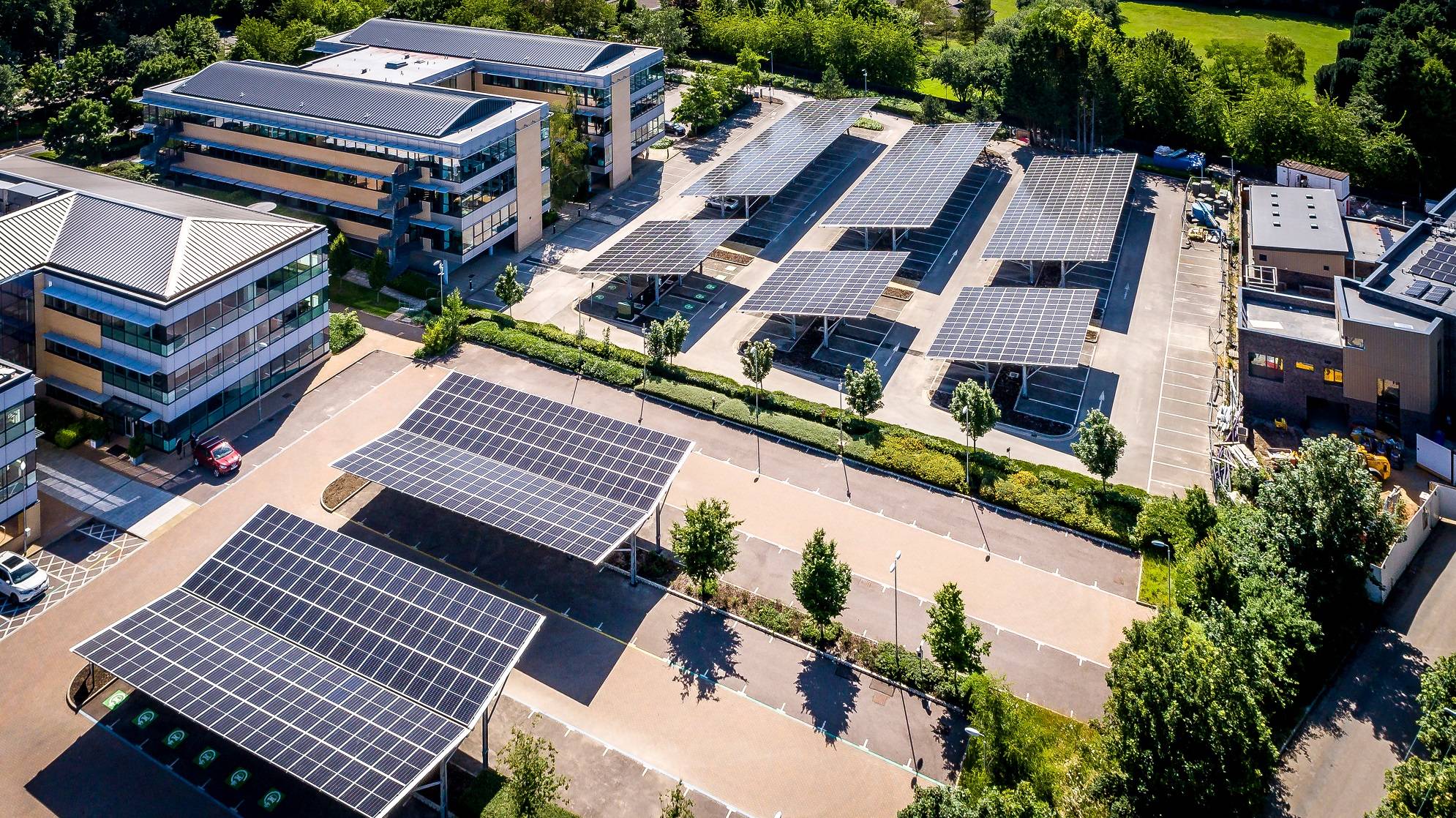
CAPITAL PARK CAMBRIDGE
SAS ENERGY transformed this regular car park into an energy-generating center, providing clean solar energy to the nearby offices as well as 22 newly installed EV charging points as part of the build.
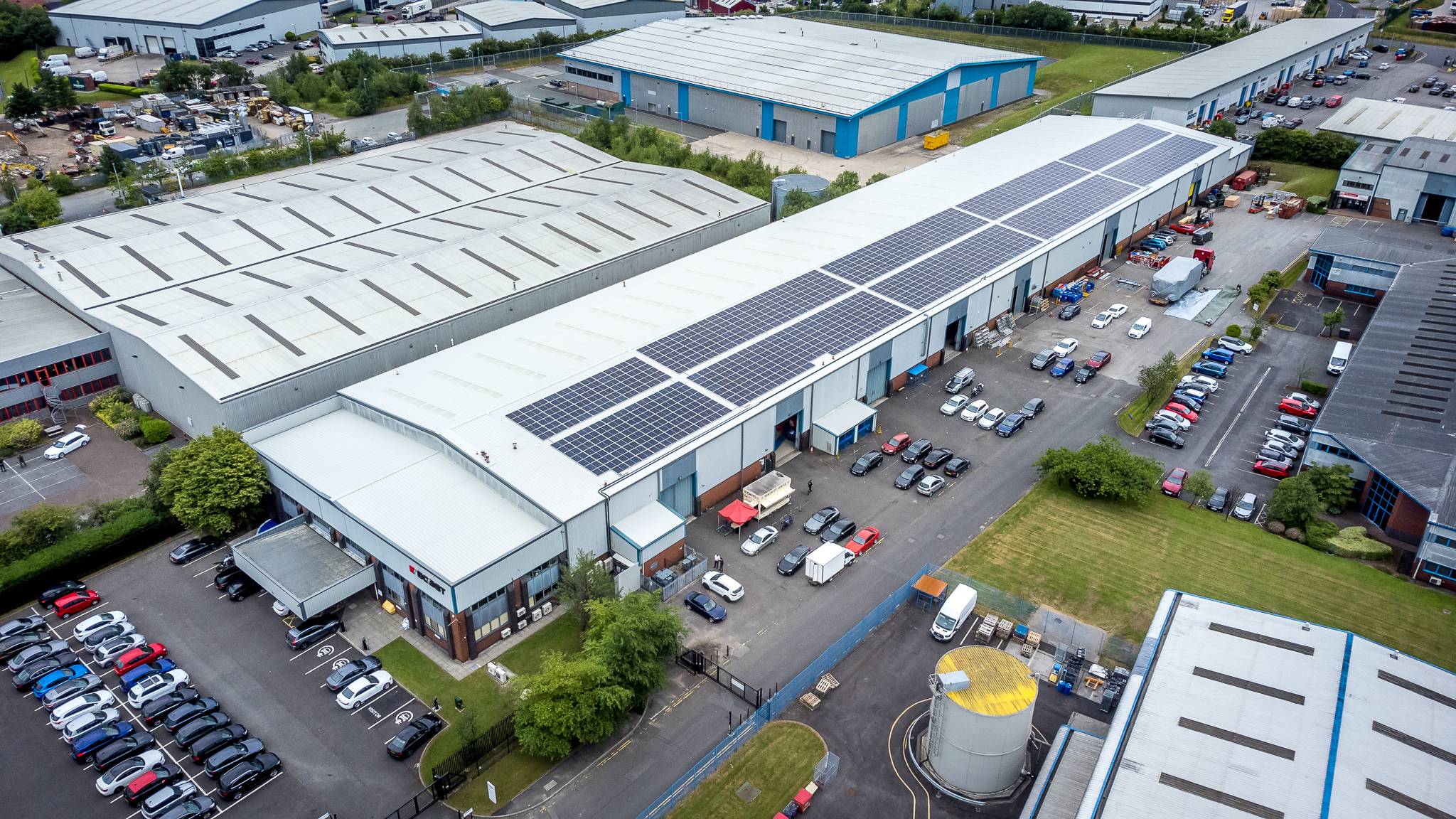
BOBST AND ENWCML
Due to expanded production at Bobst, the company needed to solve its increased energy requirements. ENWCML provided a 1 MWVA to a 2 MWVA supply upgrade from the local DNO – ENWL.
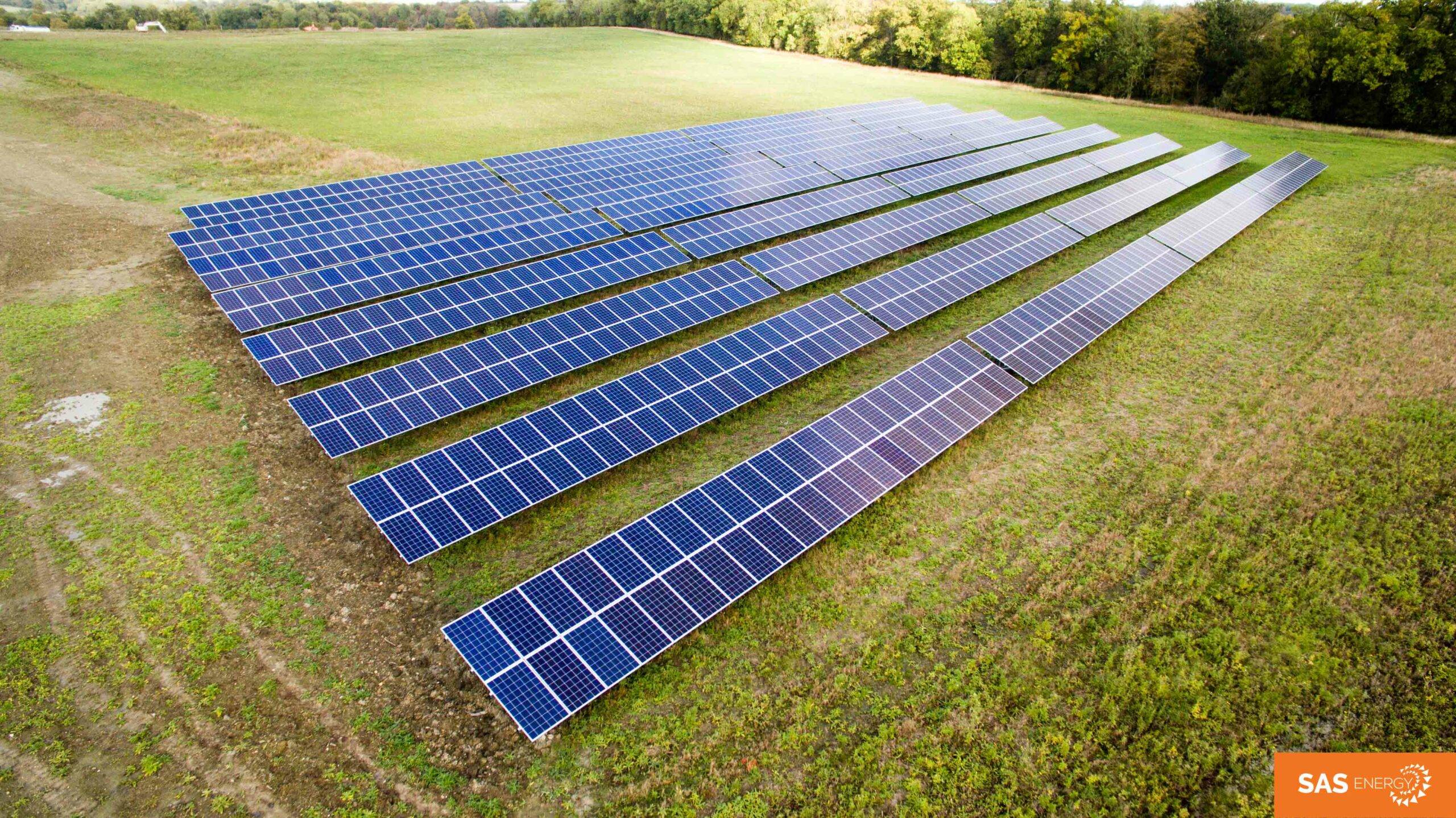
NATIONAL TRUST WIMPOLE ESTATE
The SAS ENERGY designed and installed solar Pv solution which is the largest installation to date at any of the National Trusts properties in the UK which eliminates 152 tonnes of CO2 emissions.
We’ve Been Installing Solar PV Solutions since 2009.
SAS Energy, EDF Renewables’ C&I solar division are committed to powering up commercial and industrial spaces sustainably. Our tailored solar solutions not only reduce sites’ carbon footprint but also amplify your business efficiency.
With expertise across multiple services such as roof-top, ground-mount or carport, SAS Energy offers uniquely tailored services – from financing to maintenance.
Call For a Quote:
01732 866 731
OUR SERVICES
We deliver an unrivalled high level of quality of service in every solution.

Commercial Rooftop PV

Carport Solar PV

Ground Mount Solar PV

Service & Maintenance

Design & CDM

High Voltage (HV)

Battery Storage

EV Charging
Client Testimonials
“SAS ENERGY have provided excellent service and wise advice on (the) projects they have undertaken for us. Over the past six years, OVESCO has contracted four different installers and SAS ENERGY have proved to be the best company we have worked with to date.”
“We are delighted that we are involved in this renewable energy project. This huge 250,000 ft2 buildings rooftop solar PV solution comes under our sustainability strategy that we call ‘Doing the Right Thing’. We are using the beautiful sun’s free energy to reduce this building’s energy usage we hope by as much as 50%.”
“SAS ENERGY delivered the project at Capital Park Cambridge very smoothly with great communication, dealing with any side issues in a professional way. We knew we are in very safe hands working with SAS ENERGY and their highly experienced and trusted team.”
“Pure Offices have been working with SAS Energy for more than a decade now. SAS Energy have designed, installed, and maintains 12 systems for us so far, to help us reduce our asset’s CO2 emissions, reach our sustainable credentials, and provide a secure energy source for our occupiers across our UK sites. The first installation was delivered in 2014 and we were so pleased with SAS’s design, work ethic and approachable attitude, that we knew they were the right ‘pair of hands’ for us. We really value their outstanding customer service and paramount health and safety standards – it is extremely important, especially when you are delivering a project on live sites. Eight years down the line helped us build mutual trust and respect and we couldn’t be happier for SAS Energy to continue helping us deliver our promise of becoming net zero.“
“From my perspective, working with SAS-Energy was smooth from the initial scheme meetings through to completion and hand over to the client. Ray, the site manager for the scheme was very approachable, aware of the clients surrounding and the workings on a live hospital site. The safety of patients, staff and visitors to the site was paramount and the need not impact the hospital’s business as usual. Health and Safety on the sites were well managed and of a high standard.”
“We needed a well-organised and professional supplier for a large installation on our factory roof and found SAS had the experience and resources to be totally in tune with the needs of our business and our insurers. In addition, SAS were also very aware of our joint health and safety obligations from start to finish. The quality of the finished system is evident in that every aspect is very neatly finished, properly labelled, and it also has the benefit of remote monitoring by SAS, which lets us get on with running our business rather than worrying about getting optimum performance from our new system. Thank you, SAS.“
CALL US
01732 866731






- ©SASENERGY
- Company No: 07028136
- Vat No:981 550505